

Every once in a while, I see posts on other sites about the KF-12 Deckel copy mill...
What can it do?
Well, I owned four of these back in the 90's and all four of them ran 10 hours a day, creating toy molds for companies like Little Tikes and Fisher-Price.
I can tell you this: I absolutely LOVED running these machines. I would take a job running one of these machines in a heartbeat if it were available. Grinding your own single-lip cutters and grinding the matching styluses to match was just too cool. I still have all of the styluses that I made over the years, all works of art.
You'll notice in the photo above that I showed both the KF-12 Deckel and the Deckel SO cutter grinder, because you can't own one without the other.
I have to smile when I see folks online trying to figure out what to do with these machines...in the end, they are sadly obsolete. No sense in buying one anymore.
But damn, back in the day before 3D solid modeling and machining, THIS was how it was done. My customers would supply me with 1:1 models, and off I would go.
Here's just a few of the parts I saved that the molds were 100% produced using the Deckel KF-12. FYI, the only difference between the KF-12 and the KF-1 is the power-lift for both tables on the KF-12, which makes it the superior machine.
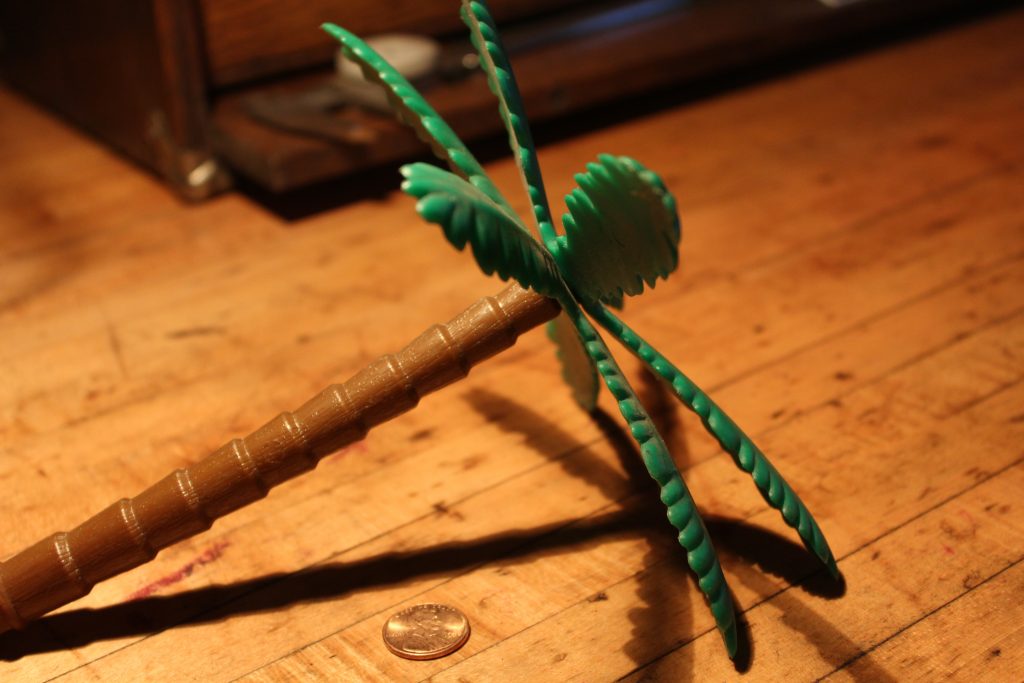
These palm tree leaves were engraved into a a cavity using the KF-12 Deckel. Not only were the leave details milled complete, but also the the 3D parting line.
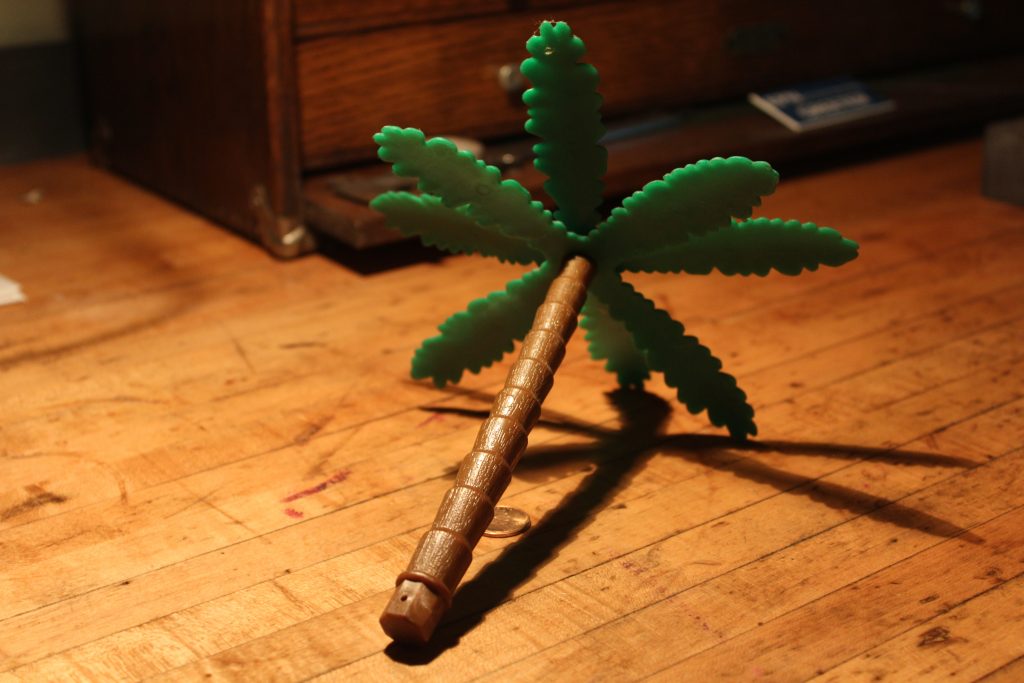
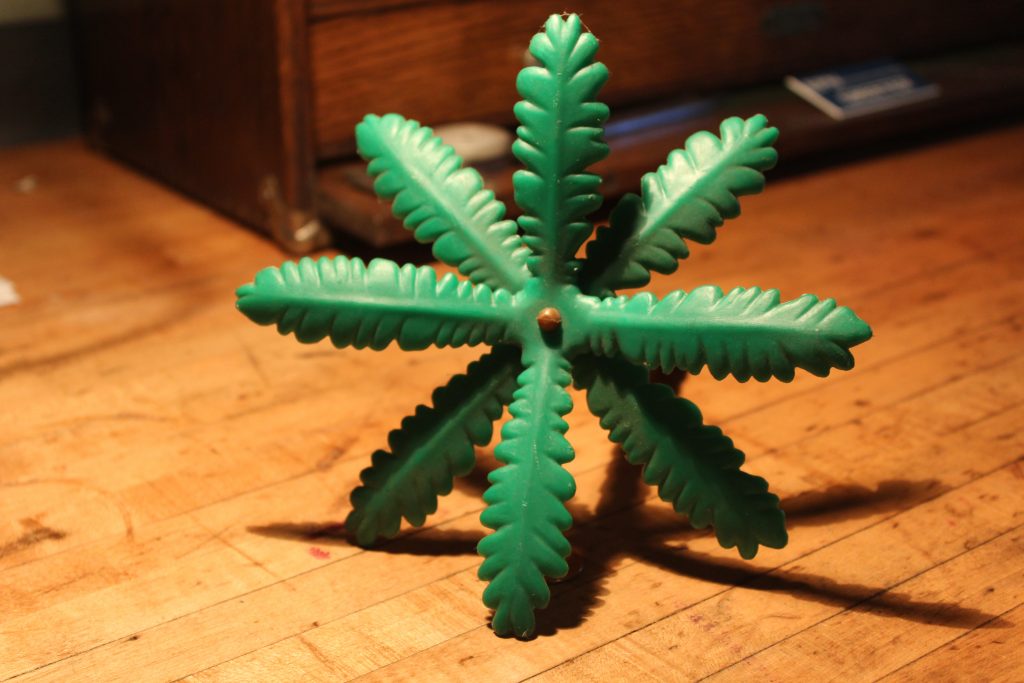
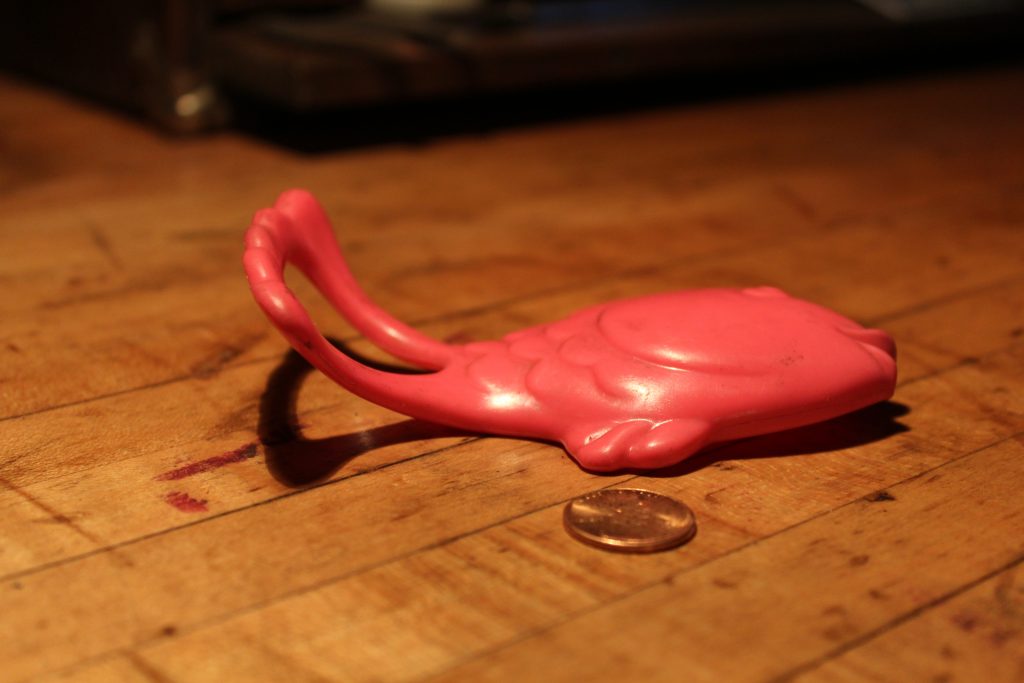
This was a 10-cavity mold that I built for Little Tikes Toys back in the mid-nineties. Besides the detail of the fins and scales, notice the 3D parting line. Again, No CNC. All done on the KF-12.
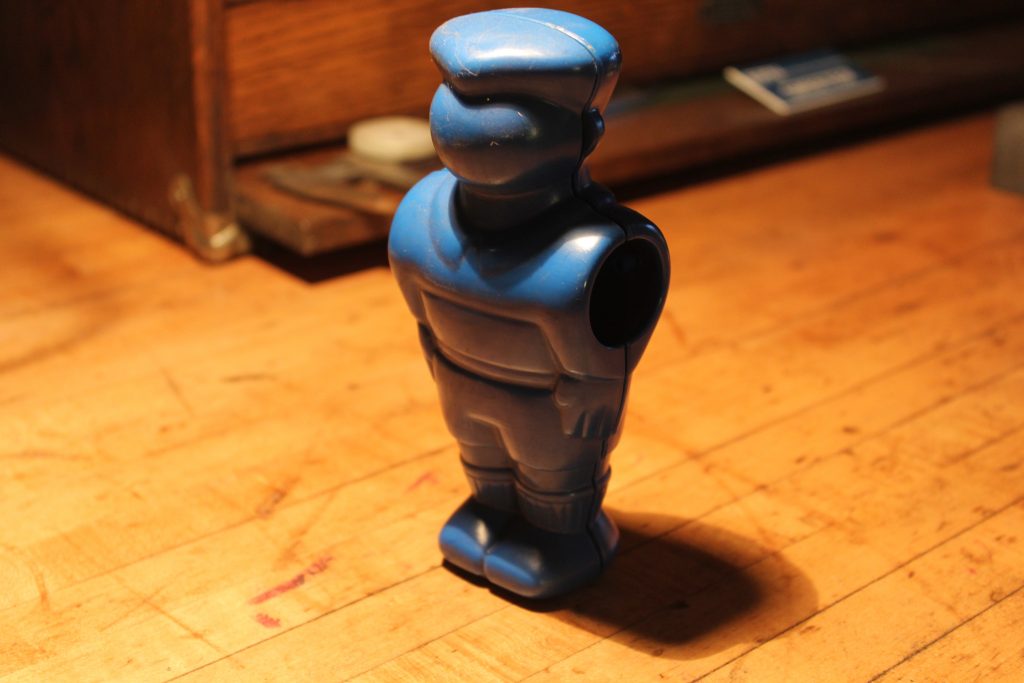
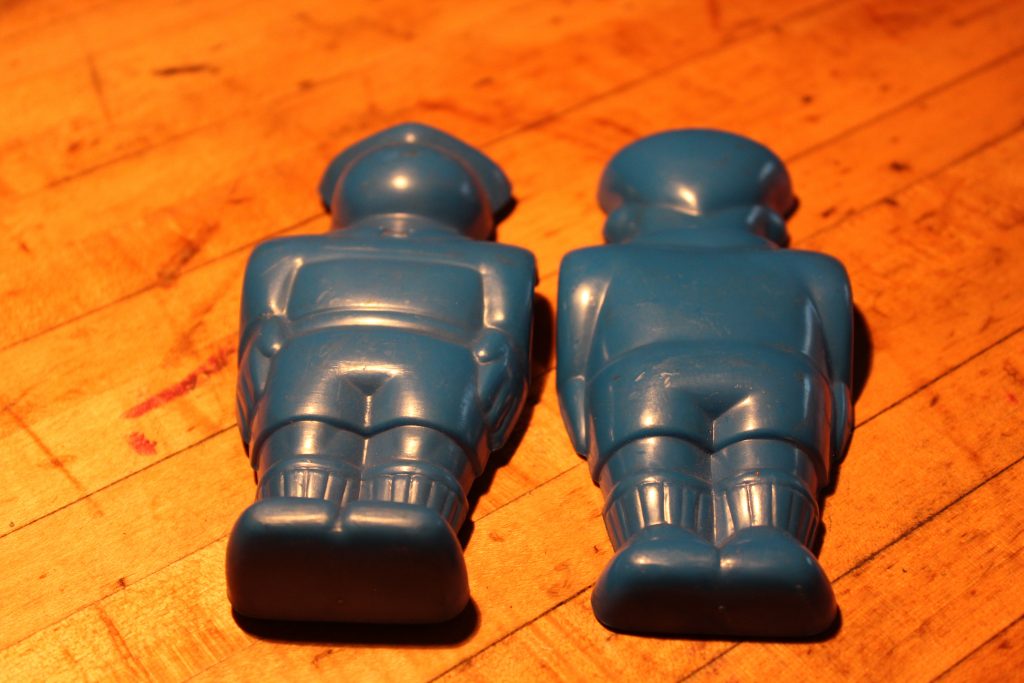
Front and back of a toy figure for Little Tikes in the mid-nineties. Again, all completed on the Deckel.
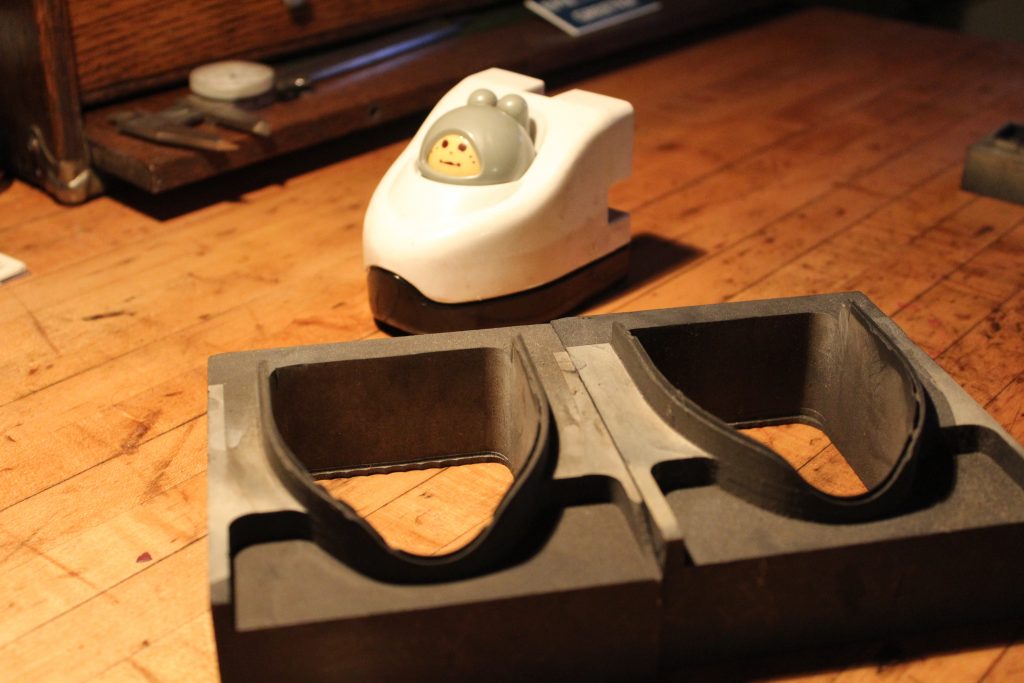
The toy Space Shuttle. Not only were the cavities and cores traced on the Deckel, I had to figure out a way to make electrodes for the sonic weld grooves at the parting line. Through a series of offset styluses and very small home-made cutters, I pulled it off. And that's why Little Tikes proceeded to give me millions of dollars of work throughout the years. You just can't teach this stuff.

A pair of pants for a Little Tikes toy. Again, sonic weld grooves required, all reverse-engraved into graphite from models. If these electrodes were more than .003" off, the sonic weld beads would either be to thick or too thin and wouldn't mate correctly. I was not supplied with models for the grooves, I had to use offset styluses to create the electrodes. And...figure in .002 per side over burn for the EDM process.
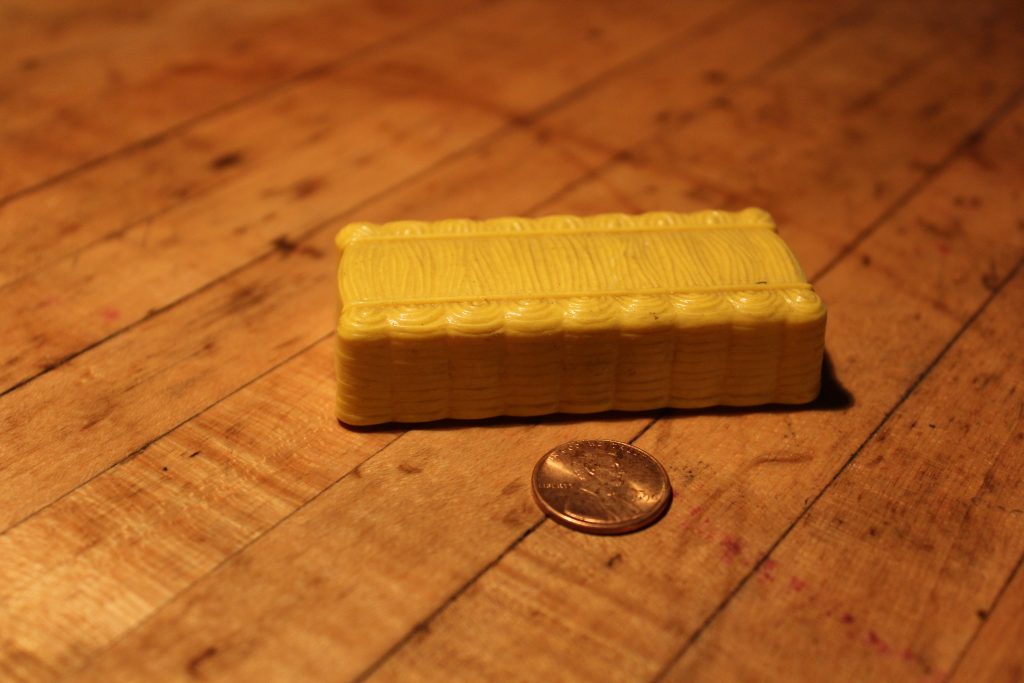
The toy hay bale: one my proudest Deckel jobs. The model for this project was supplied 2:1. The Deckel is the only copy mill that can not only work 1:1, but work with models u to 7:1. With 1 degree draft on the sidewalls, it was very easy to wipe out the details if your touch wasn't just right. These cavities were milled with a combination of both bull-nosed and ball-nosed single lip cutters and styluses that were all made on the Deckel SO grinder. I can tell you that Little Tikes was thrilled with the results, as they really didn't think I could pull it off. All for a plastic hay bale!
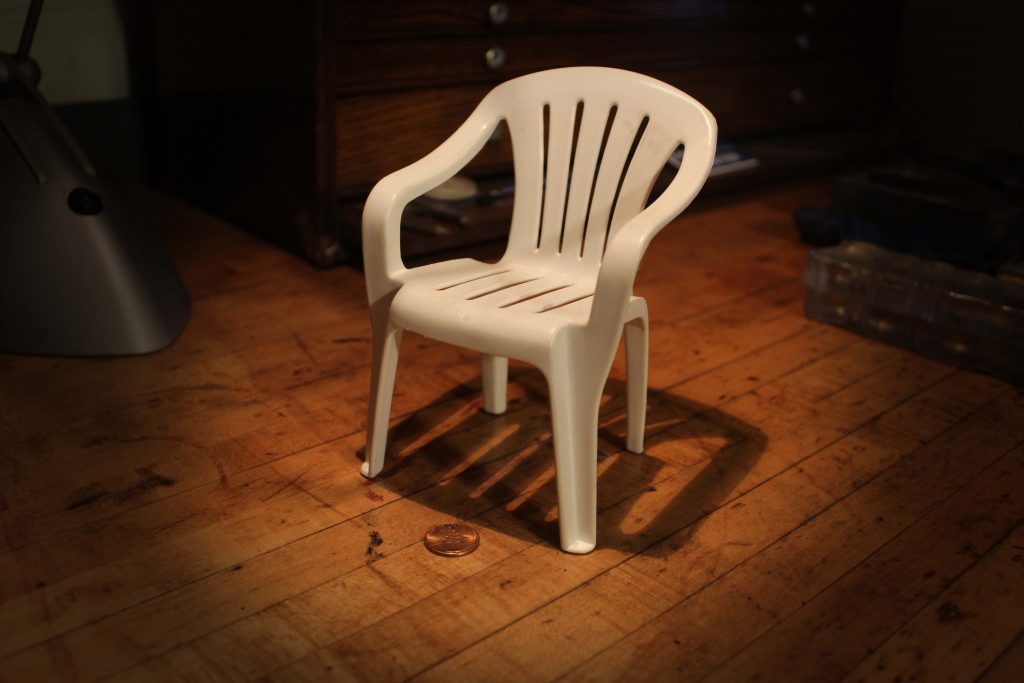
Can you even imagine the parting line on this mold? Everything - again - was traced from models into steel using the Deckel.
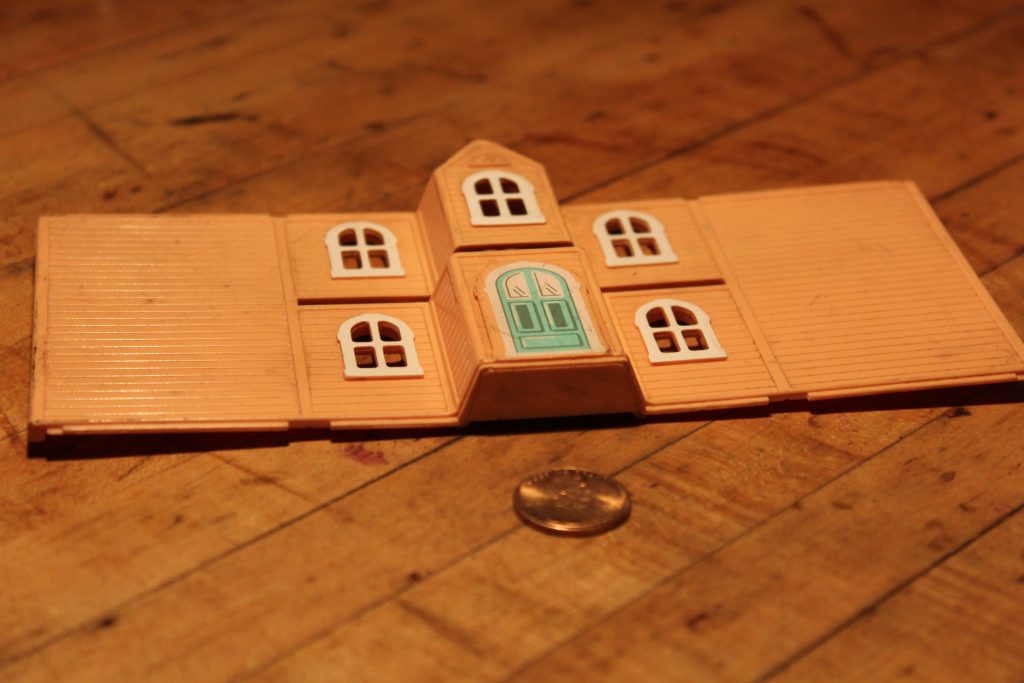
Doll house panel created from model.
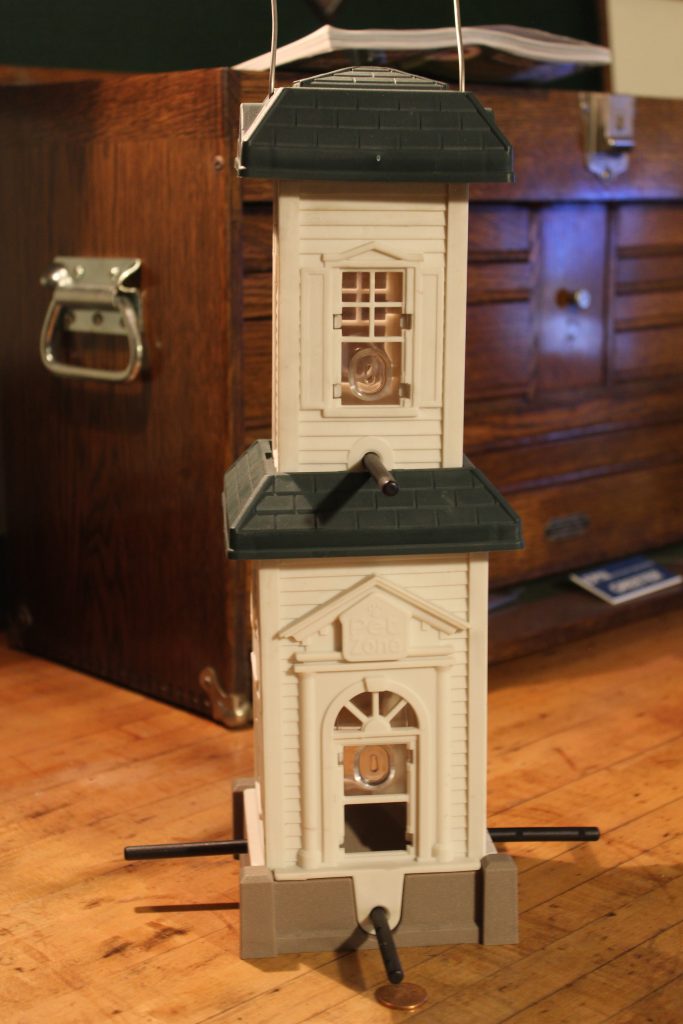
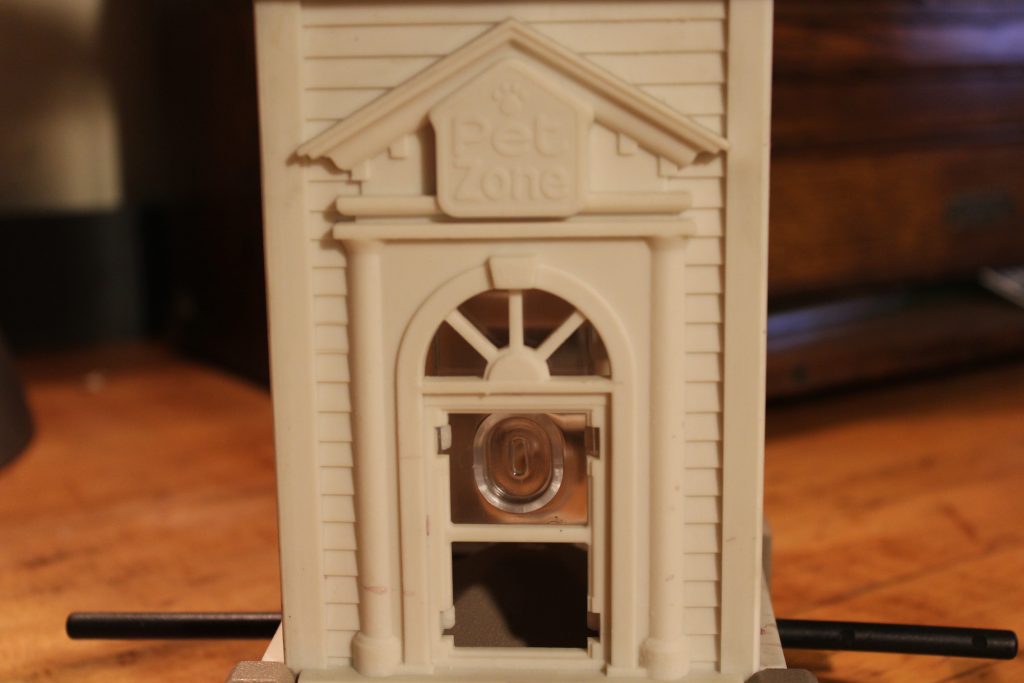
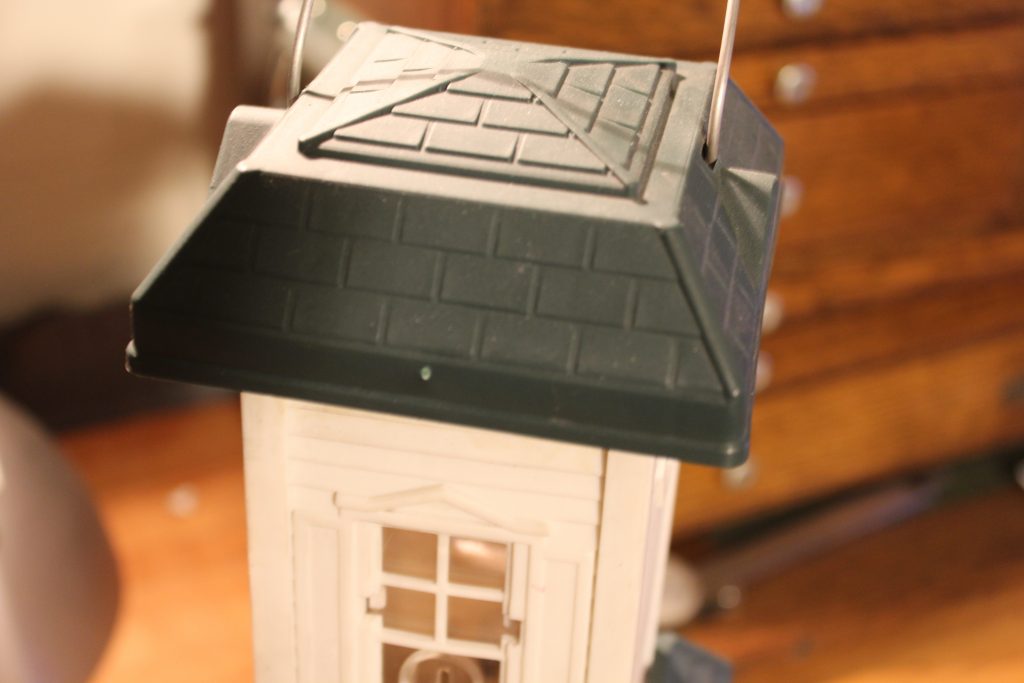
Every single detail on this bird feeder was cut from a model using the Deckel: door frames, window frames, shingles, and siding.
I saw two of these at auction a year back and they went for peanuts. If I had the space I would have got one. I sure wish I saw one in action. Was there a way to control the depth of cut? I bet they made a lot of chips!