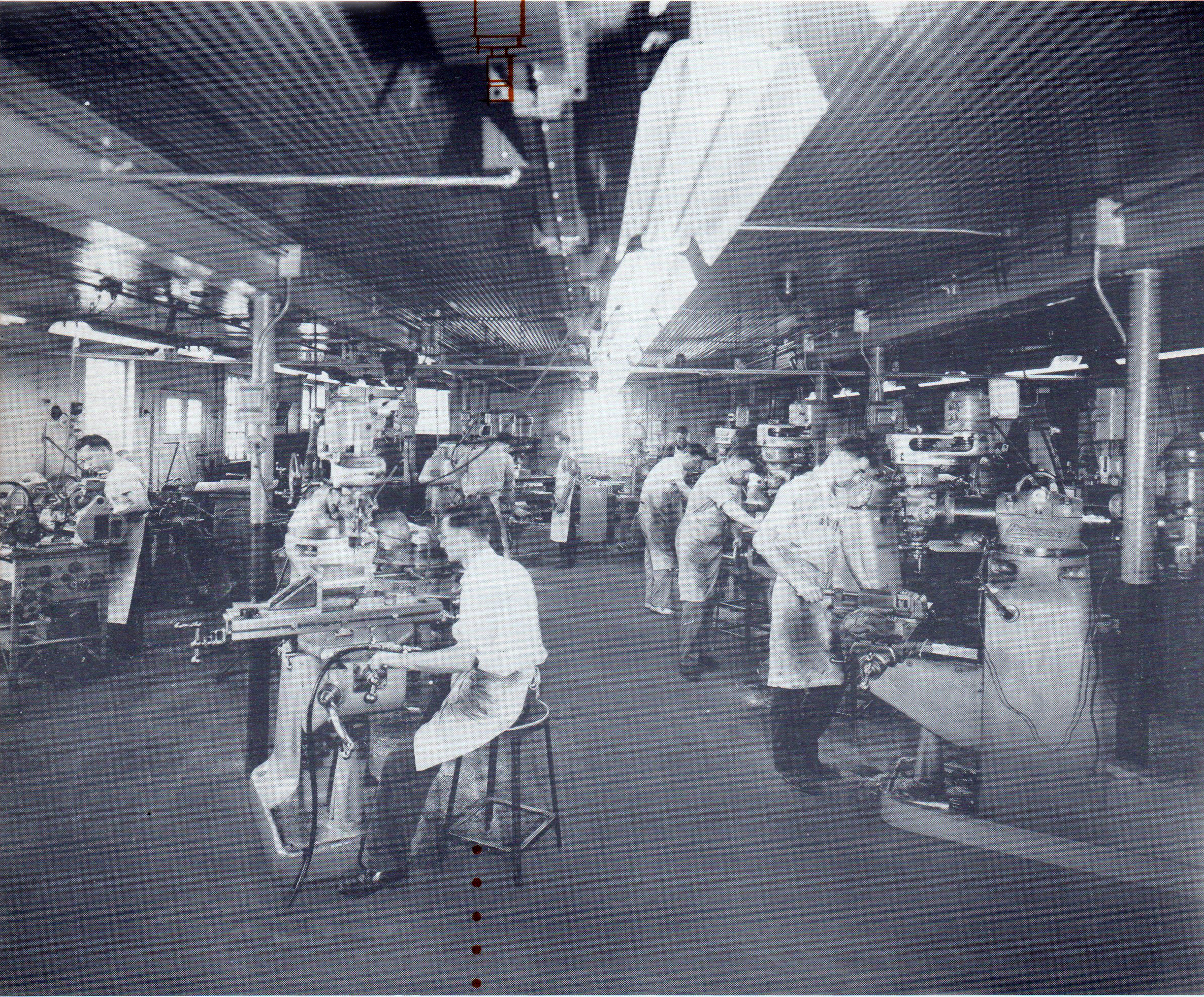

Someone who thought I might be interested in a new job (I'm not) sent along an ad from a company looking for a Tool & Die Maker.
I've recorded a few videos on what a Tool & Die Maker does, but this simple ad pretty much nails it on the head.
I was really impressed with the job description:
- Tool & Die-Makers conduct test runs with completed tools or dies to ensure that parts meet specifications; makes adjustments as necessary.
- Tool & Die-Makers cut, shape, and trim blanks or blocks to specified lengths or shapes, using power saws, power shears, rules, and hand tools.
- Tool & Die-Makers file, grind, shim, and adjust different parts to properly fit them together.
- Tool & Die-Makers inspect finished dies for smoothness, contour conformity, and defects.
- Tool & Die-Makers lift, position, and secure machined parts on surface plates or worktables, using hoists, vises, v-blocks, or angle plates.
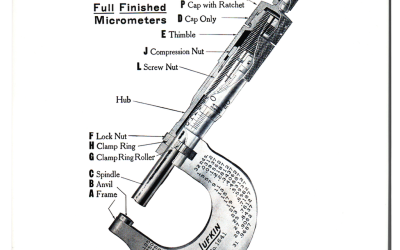
- Tool & Die-Makers measure, mark, and scribe metal or plastic stock to layout machining, using instruments such as protractors, micrometers, scribes, and rulers.
- Tool & Die-Makers select metals to be used from a range of metals and alloys, based on properties such as hardness and heat tolerance.
- Tool & Die-Makers set up and operates conventional or computer numerically controlled machine tools such as lathes, milling machines, and grinders to cut, bore, grind, or otherwise shape parts to prescribed dimensions and finishes.
- Tool & Die-Makers set up and operate drill presses to drill and tap holes in parts for assembly.
- Tool & Die-Makers smooth and polish flat and contoured surfaces of parts or tools, using scrapers, abrasive stones, files, emery cloths, or power grinders.
- Tool & Die-Makers study blueprints, sketches, modes, or specifications to plan sequences of operations for fabricating tools, dies, or assemblies.
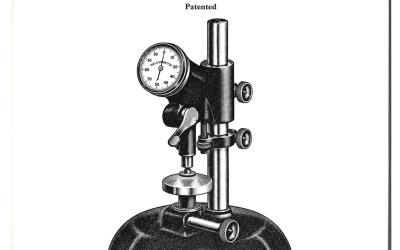
- Tool & Die-Makers verify dimensions, alignments, and clearances of finished parts for conformance to specifications, using measuring instruments such as calipers, gauge blocks, micrometers, and dial indicators.
- Tool & Die-Makers visualize and compute dimensions, sizes, shapes, and tolerances of assemblies based on specifications.
- Tool & Die-Makers cast plastic tools or parts, or tungsten-carbide cutting tips, using pre-made molds.
- Tool & Die-Makers design jigs, fixtures, and templates for use as work aides in the fabrication of parts or products.
- Tool & Die-Makers develop and design new tools and dies, using computer-aided design software.
- Tool & Die-Makers set pyrometer controls of heat-treating furnaces and feed or place parts, tools, or assemblies into furnaces to harden.
Minimum Requirements:
High School Diploma or equivalent education or trade school diploma program
Journeyman Tool & Die Maker and/ or completion of an apprenticeship (4 years) or advanced manufacturing certificate, followed by at least 4 years of on the job training
5 years’ experience in the trade; emphasis on small precision stampings from progressive dies
An ability to communicate effectively in English both in writing and verbally (Preferred)
Knowledge/ experience with AutoCAD, SolidWorks, and EDM (a Plus)
Thanks for posting that description. I found that to be very interesting.